HISTORY
The Naze
The Naze has a rich history and has been used as farmland, a golf course and a military camp in the past. The iconic Naze Tower, built in 1720 by Trinity House to mark the promontory for shipping approaching Harwich Harbour, has had multiple uses over its history including the home for a Chain Home Low Radar during the Second World War. There a number of military relics on the Naze, including the mountings for ack-ack guns on the beach, along with several pill boxes, both on the beach and on the open space above.
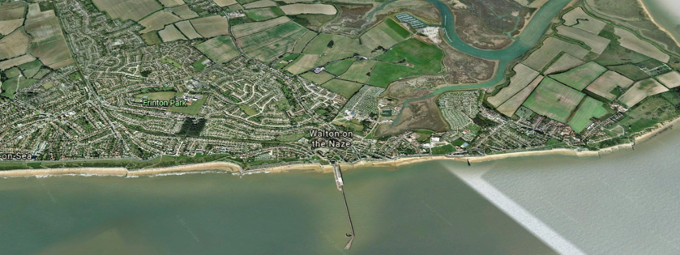
Walton on the Naze
Walton on the Naze is a town on the south-east coast of the UK, home to 6,000 people. It is a popular location for tourists, especially because it has many coastal attractions, including a historical tower on the edge of the cliffs. It also is very important for wildlife as many birds migrate their every year such as Brent Geese, Godwit, Redshank, Shelduck, Teal and Avocet. The Naze is a 'site of special scientific interest' (SSSI), as it has 55 million year old fossil bearing cliffs, making it very valuable for scientists.
Tourism
In 2016, South Walton welcomed 3.6 million visitors. People are going there for lots of different reasons like events, to go to the beach, find shark's teeth and the list goes on. During 2016 £7.9 million was spent on improvements. These improvements included:
CR30A Parking projects that include new parallel parking areas in 5 locations along the 30A corridor; to add approximately 250 parking spaces adjacent to public beach accesses
Regional Beach Access (RBA)/Neighborhood Beach Access (NBA) Renovation projects include new deck boards, handrails, and structural repairs to 17 public beach accesses
NBA Storm Water Improvements projects that include storm water collection systems installed at Wall St. NBA and Nightcap NBA to resolve drainage issues
RBA Facility Renovations projects (FDEP/NRDA) to include mechanical, electrical and plumbing repairs at Ed Walline RBA and Gulfview Heights RBA
Coastal Dune Lake Signage project that includes interpretive signs at each of Walton County’s coastal dune lakes
Public Beach Access Boardwalk Deck Board Safety Graphics project that includes new deck boards with the beach safety rules and regulations engraved
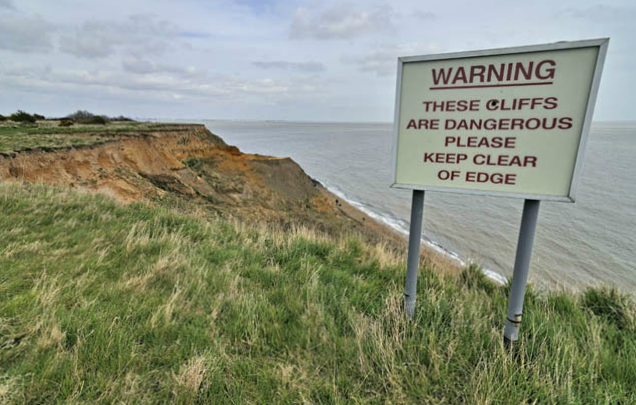
What is the impact of the erosion at the Naze?
Economic Impacts
The erosion could help people get jobs as the cliffs attract lots of tourists to the Naze. Tourism creates jobs, both through direct employment within the tourism industry and indirectly in sectors such as retail and transportation. When these people spend their wages on goods and services, it leads to what is known as the "multiplier effect," creating more jobs.
Environmental Impacts
Because the cliffs attract tourists litter and footpath erosion can be a problem as they leave/drop their litter instead of putting it in the bin. Footpath erosion is also a problem as the tourists want to go for a walk there and the footpaths get worn down.
Social Impacts
Peoples houses could end up in the sea from the erosion. This means that house insurance would be more expensive and their house prices would decrease. this would discourage people from moving to the area.
Political Impacts
erosion can impact Walton in a political way because the council have to spend lots of money on coastal defences.The actual cost of sea defences will depend on the circumstances at each individual location. However
typical costs are:-
Seawalls - £5,000 per metre Timber revetment - £1,500 per metre
Rock armour - £1,000 to £3,000 per metre Timber groynes - £100,000 per groyne
Rock groynes - £125,000 beach nourishment - £10+ per cubic metre
Offshore bars (reefs) - £1 million - £2 million
